
 Facebook
 X
 Pinterest
 Copy Link
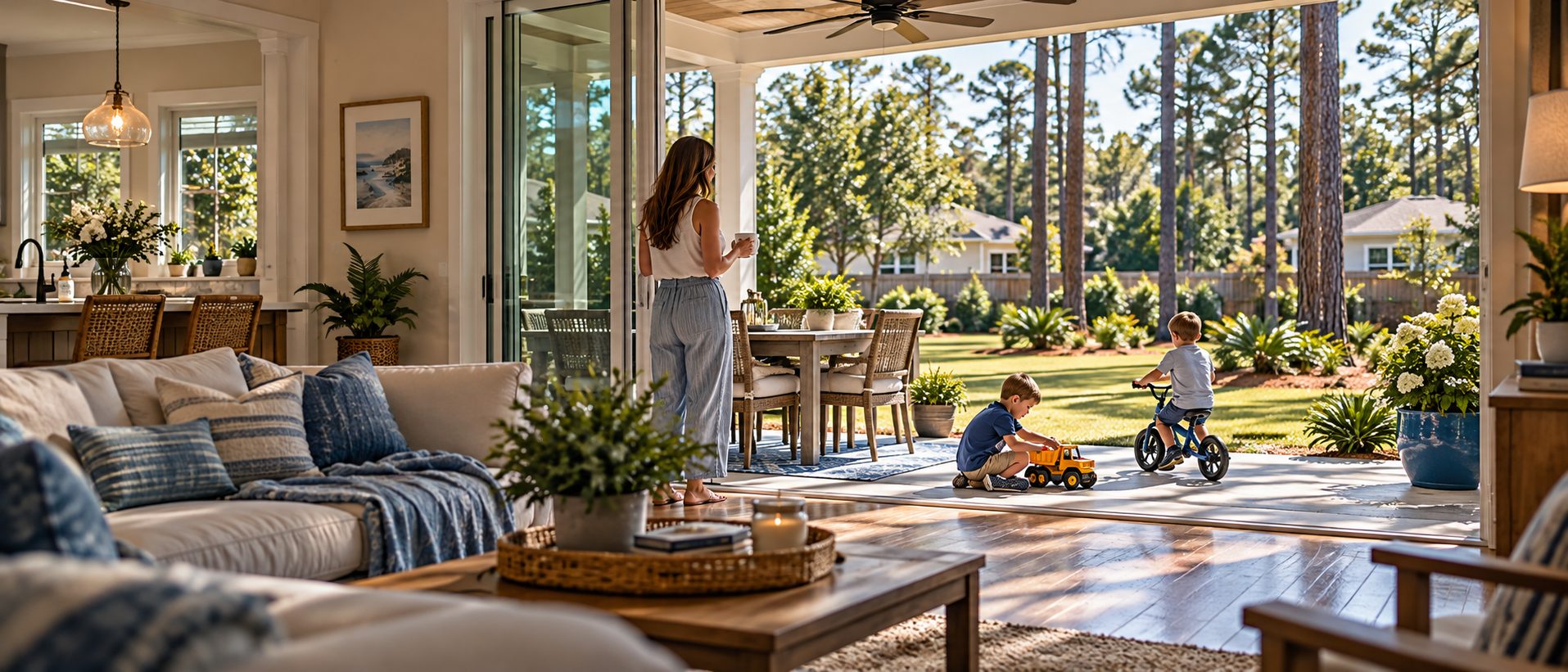
Why getting to know your home is part of becoming comfortable in it.
You can learn a lot about a house before you buy it. You can walk through every room, review the inspection, look at the floor plan, and spend time exploring the neighborhood. You can picture where your furniture will go and imagine how your family might use the space.
But there are some things you simply won’t know until you’ve lived there. Which room gets the best afternoon light. Where everyone naturally drops their shoes. How the backyard feels on a summer evening. Which spaces you use every day—and which ones you thought you’d use more often.
None of those details necessarily show up during a home tour. They’re things you discover gradually, once the house becomes part of your everyday routine. And sometimes, those little discoveries tell you more about what makes a home work than anything you noticed before closing.
A Showing Tells You About the House. Living There Tells You More.
When you’re buying a home, you’re making decisions based on the information available at the time.
You evaluate the condition, layout, location, price, and how well the property seems to fit your needs.
That’s important work. In How to Know When You’ve Found the Right Home, I talked about recognizing when a house fits your priorities, even if it doesn’t check every box.
But there’s a difference between imagining life in a house and actually living there. A breakfast nook might look like the perfect place for family meals. Six months later, you might discover everyone prefers gathering around the kitchen island. The formal dining room you were excited about might become a home office.
And the back porch you barely noticed during the showing might turn out to be your favorite place in the house.
That’s not a sign you made the wrong decision. It’s simply what happens when a house becomes yours.
Every House Has Its Own Personality
After you’ve lived somewhere for a while, you begin noticing things you couldn’t have learned during a 30-minute showing.
You discover which rooms stay coolest in the afternoon.
You learn where the morning sunlight comes through the windows.
You find out which part of the yard gets the most shade and which window gives you the best view during a summer rainstorm.
You also learn the less glamorous things.
Which cabinet door needs a little adjustment.
Where the Wi-Fi signal mysteriously disappears.
And why everyone in the family seems determined to leave their shoes in exactly the same place, regardless of where you intended them to go.
These aren’t necessarily problems. They’re part of learning how your particular home works.
And the longer you live there, the more familiar those little details become.
Northwest Florida Homes Have Their Own Lessons to Teach
Living in Northwest Florida adds another layer to getting to know a house.
Our climate can reveal things that aren’t obvious when you’re touring properties.
A backyard that looks perfect on a sunny afternoon may have an area where water collects after several days of heavy rain.
A room with beautiful west-facing windows may become noticeably warmer during the summer.
A covered porch may turn out to be one of the most useful spaces in the house because it gives you somewhere to enjoy being outside without sitting directly in the sun.
And if you’re near the water, salt exposure and humidity may affect how often certain materials and fixtures need attention.
Some of these discoveries are simply part of understanding your property. Others may point to maintenance needs that deserve a closer look.
The important thing is learning to recognize the difference.
In Buying the Home Is Only the Beginning: What It Really Means to Be a Homeowner, I talked about how taking care of a home becomes an ongoing responsibility after closing.
That doesn’t mean you need to worry about every little thing. It means paying attention, learning what’s normal for your house, and addressing actual problems before they become bigger ones.
Your Family May Use the House Differently Than You Expected
This is one of my favorite parts of watching a house become a home.
You can have a perfectly good plan for how every room will be used.
Then life gets involved.
The room you thought would stay organized becomes the place where backpacks, sports equipment, and everything else seem to collect. The backyard becomes more important than you expected. A small space near the kitchen turns into the place where everyone gathers, even though there’s a perfectly comfortable living room ten feet away.
With two young boys, I understand how quickly the practical needs of a household can change.
Sometimes the most useful space in a home isn’t the biggest or the nicest. It’s simply the one that makes everyday life easier. And you don’t always know which space that will be until you’ve had time to settle in.
Give Yourself Time Before Changing Everything
It’s tempting to move into a house and immediately start making improvements.
Maybe the kitchen isn’t exactly your style.
Maybe you’re thinking about replacing flooring, rearranging rooms, or changing the backyard.
Some projects really do need attention right away, particularly when safety, water intrusion, or major maintenance issues are involved.
But when the changes are mostly about preference or convenience, there’s something to be said for waiting a little while.
Live with the layout. See how the light changes throughout the day. Pay attention to where you naturally spend time. Notice what frustrates you consistently, rather than what simply feels unfamiliar.
You may discover that the renovation you originally wanted isn’t the one that would make the biggest difference. That connects directly to something I discussed in Not Every Home Improvement Needs to Increase Your Home’s Value.
The goal isn’t always to make your house look newer or more impressive. Sometimes it’s to make it work better for the life you’re actually living.
And, understanding that life takes a little time.
You Also Get to Know the Neighborhood
The learning doesn’t stop at your property lines. Once you move in, you start noticing the rhythm of the community around you. You figure out which streets are busiest during school pickup. You learn the best time to run errands. You discover a nearby park you didn’t know existed or a route home that avoids some of the afternoon traffic. You start recognizing neighbors and becoming familiar with the places you visit regularly.
For military families relocating to the Emerald Coast, those discoveries can be especially important. When you’re moving into an unfamiliar area, there’s only so much you can learn from online research and a few days of house hunting.
In How to Know if a Neighborhood Is the Right Fit for You, I talked about choosing a community based on the way you actually live.
Once you’re there, you begin to understand that fit in a much more personal way.
The neighborhood becomes more than a location on a map.
It becomes part of your routine.
Comfort Comes From Familiarity, Not Perfection
I think there’s a tendency to believe that once we buy a house, we should immediately make everything exactly the way we want it.
Every room finished.
Every project completed.
Every space organized.
But most homes don’t work that way. They evolve.
You move furniture around. You make small changes. You decide some things can wait. You discover that a feature you thought was important doesn’t matter nearly as much as you expected.
And occasionally, you realize something you originally planned to replace is actually working just fine.
A home doesn’t have to be finished to be comfortable.
Sometimes comfort comes from knowing the house well enough that you stop thinking about every little detail and simply enjoy living there.
A Thought to Take With You
You don’t have to understand everything about a home the day you move in.
Some of the best things about a house reveal themselves slowly.
A favorite place to sit.
A room that becomes more useful than expected.
A backyard that turns into the center of family life.
And the little routines that eventually make a place feel familiar.
Getting to know your home isn’t something you finish.
It’s part of living there.
Final Thoughts
Buying a home involves making a lot of decisions before you have the chance to experience what everyday life will actually be like.
That’s why I encourage buyers to think carefully about their priorities, but also to recognize that no house comes with a complete picture of what living there will feel like.
Some things you’ll learn along the way.
If you’re buying a home in Northwest Florida, my goal is to help you make a thoughtful decision from the beginning—one that gives you room to settle in, get comfortable, and make the home your own over time.
Because finding the right house matters.
But getting to know it is part of what makes it home.


