
 Facebook
 X
 Pinterest
 Copy Link
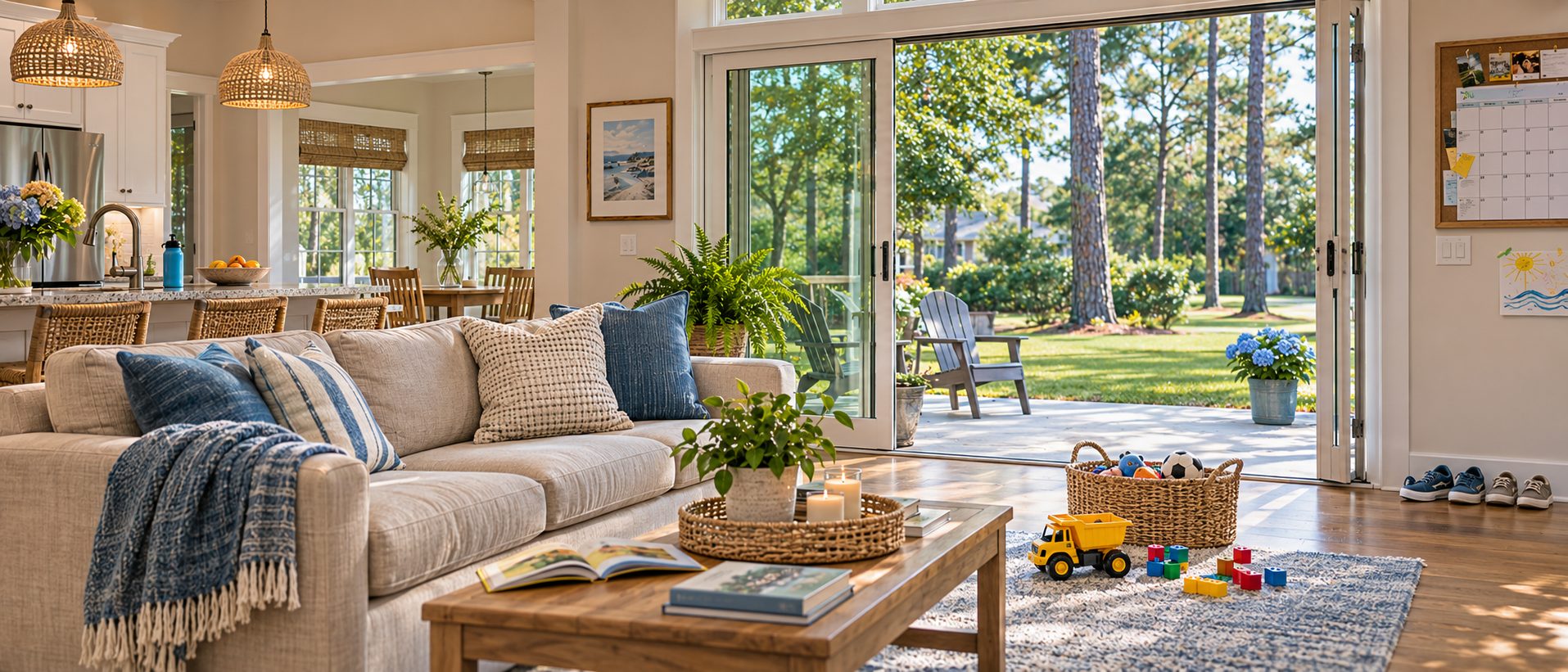
Taking care of your home doesn’t mean keeping it ready for the next buyer.
There’s a difference between taking good care of your home and keeping it ready to sell.
I think that distinction gets overlooked sometimes.
When you’re buying a house, you pay attention to how everything looks. Fresh paint, clean countertops, updated finishes, and uncluttered rooms can make a great first impression.
Then you become a homeowner, and it’s easy to carry some of those expectations with you.
You start noticing the things that aren’t quite perfect. The scuff marks on the walls. The toys in the living room. The kitchen cabinets that could use updating.
And somewhere along the way, you may start thinking about how a future buyer would see your house.
There’s nothing wrong with protecting your investment. I encourage homeowners to do that.
But if you’re not planning to sell anytime soon, you don’t need to live as though someone might schedule a showing tomorrow.
Your home is supposed to work for the people living in it right now.
A Home That’s Lived In Won’t Always Look Like a Listing
Real estate photography has a purpose.
When a home goes on the market, we want buyers to see the space clearly, understand the layout, and picture themselves living there.
That usually means putting away personal items, reducing clutter, making small repairs, and presenting the property at its best.
But that’s a marketing strategy, not a standard for everyday living.
I have two young boys at home. I understand that a house can be clean in the morning and look very different by lunchtime.
Toys get pulled out. Shoes end up in unexpected places. The kitchen gets used. Life happens.
That doesn’t mean the house isn’t being cared for.
It means people live there.
There’s a time to make your home look its best for potential buyers. And there’s a time to enjoy it without worrying about how every room would photograph.
Those are two different seasons of homeownership.
Protecting Your Home’s Condition Is Different From Keeping It Perfect
Here’s where I think homeowners should make an important distinction.
Some things deserve attention because they affect the condition, safety, or long-term value of the property.
A roof leak shouldn’t wait.
Drainage problems need to be understood.
An HVAC system that isn’t working properly deserves attention, especially during a Northwest Florida summer.
And small maintenance issues are often easier to address before they become expensive repairs.
Those are responsibilities that come with owning a home.
But a bedroom that needs repainting because your child’s tastes have changed?
A living room that doesn’t look like something from a design magazine?
A kitchen that’s a little dated but functions perfectly well?
Those aren’t necessarily problems that need solving right now.
In Buying the Home Is Only the Beginning: What It Really Means to Be a Homeowner, I talked about how ownership involves making ongoing decisions about maintenance, improvements, and the way a home fits your life.
Part of making good decisions is knowing what actually needs attention and what can simply be left alone.
You don’t have to tackle everything at once.
Not Every Room Needs to Appeal to a Future Buyer
One of the benefits of owning a home is being able to make it your own.
Maybe you’ve turned a spare bedroom into a home office.
Maybe your dining room has become a playroom.
Maybe you’ve painted a bedroom a color your kids love, even though it isn’t something you’d choose for the rest of the house.
Those decisions may not appeal to every future buyer.
But they don’t have to.
If the space works for your family, there’s value in that.
In October, I wrote about why Not Every Home Improvement Needs to Increase Your Home’s Value. Sometimes an improvement is worthwhile because it makes everyday life more comfortable, convenient, or enjoyable.
The same principle applies here.
You don’t need to organize every room around what a future buyer might want.
You can make decisions based on how you’re actually using the home today.
Of course, if you know you’ll be selling soon, it’s worth thinking about how easily certain changes can be reversed.
But there’s a big difference between making thoughtful choices and constantly worrying about resale.
What If You Know You’ll Eventually Have to Move?
This is a question that comes up for military homeowners.
If you’re stationed at Eglin Air Force Base or Hurlburt Field, there’s always the possibility of another PCS move down the road.
You may know that your current home won’t be your forever home.
That can make it tempting to evaluate every decision through the lens of a future sale.
Should we paint that room?
Is it worth putting up a fence?
Should we spend money improving the backyard if we might move in a few years?
Those are reasonable questions.
And I do think it’s smart to consider your timeline before making expensive or highly personalized changes.
But knowing you’ll eventually move doesn’t mean you should spend the next three years living in a house that doesn’t work for your family.
If a fence makes the backyard more useful while your kids are young, that may be worth considering.
If better storage makes daily life easier, that can be a sensible improvement.
The goal is to balance your current needs with the possibility of selling or renting the property later.
You can plan ahead without putting your life on hold.
The Best Preparation Often Happens Long Before You Sell
There’s another reason homeowners don’t need to keep their houses looking market ready.
A lot of the work that protects a home’s future selling position isn’t visible in listing photos.
It’s the maintenance you’ve kept up with.
The small problems you’ve addressed.
The records you’ve saved for repairs and improvements.
The attention you’ve paid to the roof, HVAC, plumbing, drainage, and other important systems.
Those things matter when it’s time to sell.
They can also make the selling process less stressful because you’re not trying to address years of deferred maintenance all at once.
In Small Things That Can Delay a Home Sale (and How to Avoid Them), I discussed how seemingly minor issues can create complications once a property is under contract.
Taking care of your home over time can help reduce some of those surprises.
That’s very different from keeping your countertops clear and your furniture arranged for photographs.
One protects the property.
The other helps market it.
Both have a purpose, but they don’t need to happen at the same time.
When It’s Time to Sell, We Can Make a Plan
One thing I want homeowners to understand is that preparing a house for sale doesn’t have to happen overnight.
If you decide to sell, we can look at the property together and determine what actually needs attention.
Some homes benefit from painting or minor cosmetic updates.
Others may need repairs or a different approach to presentation.
And sometimes the best decision is to leave certain things alone rather than spend money that isn’t likely to improve the outcome.
It depends on the home’s condition, the local market, the competition, and your timeline.
That’s where having a plan makes a difference.
You don’t have to spend years guessing what future buyers might want.
When the time comes, we can evaluate what’s important based on the market you’re actually selling in.
Until then, focus on keeping the home in good condition and making it work for you.
A Thought to Take With You
A well-cared-for home and a market-ready home aren’t the same thing.
One is about maintaining the property and protecting what you’ve invested in it.
The other is about presenting it to potential buyers.
You can do the first without constantly worrying about the second.
And if your living room looks like two young kids have been playing there all afternoon, that’s probably because they have.
There’s nothing wrong with that.
Final Thoughts
Homeownership comes with responsibilities, but it should also come with the freedom to enjoy the place you’ve chosen.
Keep up with important maintenance. Pay attention to issues that could become bigger problems. Think carefully about major improvements.
But don’t feel like every room needs to be ready for a real estate photographer.
There’s time for that when you’re actually preparing to sell.
If you own a home in Fort Walton Beach, Niceville, Mary Esther, Destin, Navarre, or the surrounding Emerald Coast communities and you’re wondering what improvements or maintenance items might matter for a future sale, I’m happy to help you sort through them.
We can talk about what’s worth doing now, what can wait, and what may not need to be done at all.
Because taking care of your home shouldn’t mean making homeownership more stressful than it needs to be.


