
 Facebook
 X
 Pinterest
 Copy Link
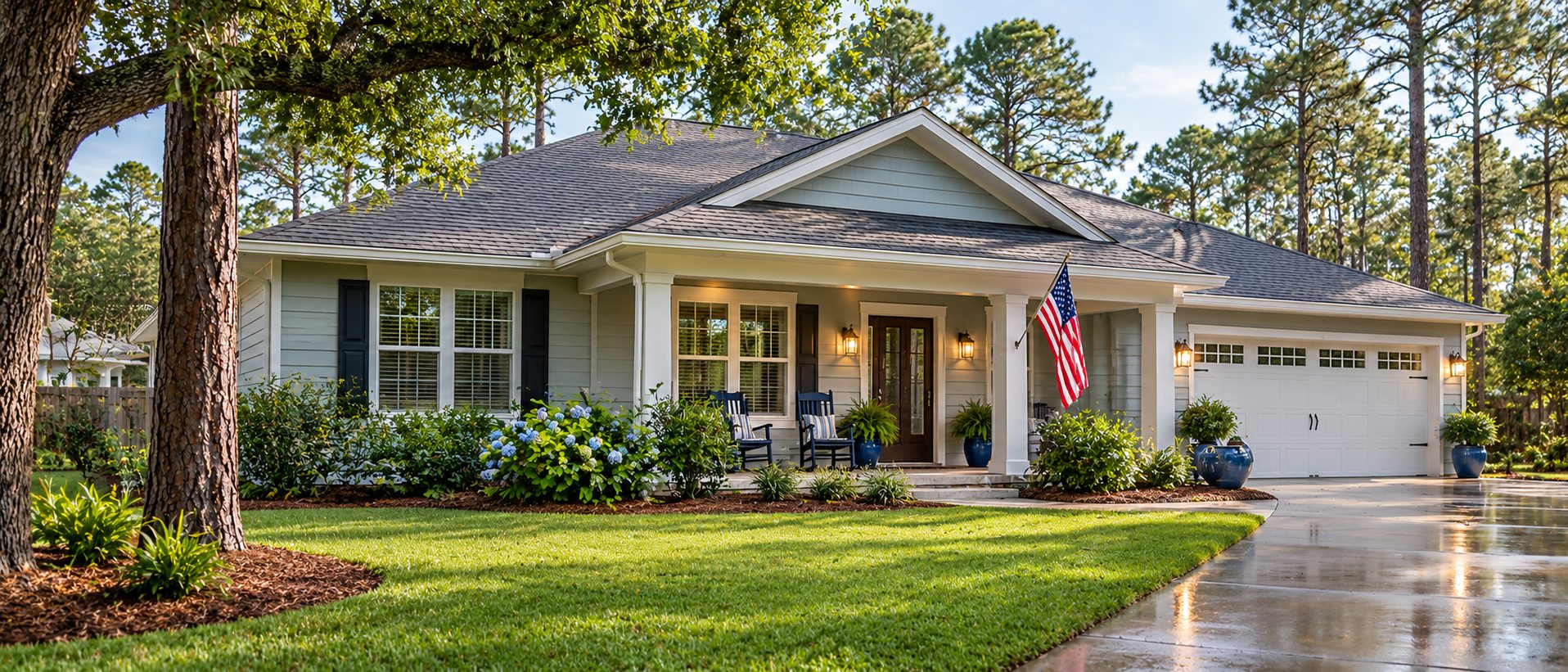
Understanding the little things that help a home hold up in our coastal climate.
One thing I’ve learned about owning a home in Northwest Florida is that our environment has a way of reminding you to pay attention.
We have beautiful weather, access to the water, and plenty of reasons to spend time outside. But we also have humidity, heavy rain, long summers, and the occasional stretch of weather that puts a house to the test.
If you’ve moved here from another part of the country, some of the things your home needs may be different from what you’re used to.
And even if you’ve lived here for years, it’s easy to overlook something until it becomes a problem.
The good news is that taking care of a home doesn’t have to be complicated.
Most of the time, it’s about understanding how your property responds to our environment, keeping up with important maintenance, and knowing when something deserves a closer look.
You don’t have to become an expert in every part of your house.
You just need to get familiar with the one you own.
Northwest Florida Weather Is Part of Homeownership
When people think about Florida homes, they often picture sunshine, palm trees, and warm weather year-round.
That’s not quite the whole story in our part of the state.
Northwest Florida has a different climate from South Florida. We experience occasional winter freezes, strong thunderstorms, periods of heavy rainfall, high humidity, and tropical weather that can affect homes even when a storm doesn’t make a direct landfall.
Those conditions influence how houses age and what homeowners need to watch.
A home in Fort Walton Beach may face different exposure than one farther inland in Crestview. A waterfront property in Shalimar or Destin may require attention to materials exposed to salt air that wouldn’t be as significant at a property farther from the coast.
Even two houses in the same neighborhood can behave differently depending on their elevation, drainage, tree coverage, construction, and maintenance history.
That’s why I encourage homeowners to pay attention to their specific property rather than assume every house in Northwest Florida needs exactly the same things.
Water Is One of the Most Important Things to Understand
If there’s one thing I’d encourage homeowners to learn about their property, it’s how water moves around it.
We can get a lot of rain in a short period of time.
And because Northwest Florida has a mix of sandy soils, low-lying areas, natural drainage paths, and established neighborhoods developed over many decades, water doesn’t behave the same way on every lot.
Some yards drain quickly. Others hold water in certain areas after a heavy storm.
What matters is understanding what’s normal for your property and recognizing when something changes.
Pay attention to where water collects, whether it flows toward or away from the house, and whether gutters and downspouts are directing runoff where they should.
Water pooling against a foundation, repeated moisture intrusion, or drainage patterns that change over time deserve attention.
Not every puddle means there’s a serious problem. But recurring water issues shouldn’t be ignored.
For homeowners near bays, bayous, canals, or other low-lying coastal areas, it’s also important to understand flood exposure and the property’s history.
And remember that standard homeowners insurance generally doesn’t cover flood damage. Flood insurance is a separate consideration, whether or not a lender requires it.
Understanding these things before there’s a problem can make a big difference.
Humidity Affects More Than Your Comfort
Humidity is something most Northwest Florida residents get used to.
Our homes have to deal with it, too.
Excess moisture can affect indoor air quality, contribute to mold growth, and cause problems with certain building materials.
Your air conditioning system plays an important role in managing indoor humidity, not just keeping the house cool.
That’s one reason regular HVAC maintenance matters here.
A system that isn’t operating properly may struggle to control moisture even if the house feels reasonably comfortable.
Bathrooms, laundry rooms, kitchens, and other moisture-producing spaces also need adequate ventilation.
And if you notice persistent condensation, musty odors, or moisture where it shouldn’t be, it’s worth finding out why.
The goal isn’t to worry about every change in humidity.
It’s to recognize that moisture management is part of maintaining a healthy, comfortable home in Northwest Florida.
Your Roof and Exterior Do a Lot of Work
A roof is easy to forget about when everything seems fine.
But in our climate, it has an important job.
Strong sun, heavy rain, wind, and seasonal storms all affect roofing materials over time.
That doesn’t mean you need to climb onto your roof and inspect it yourself. In fact, I wouldn’t recommend that.
It does mean paying attention to visible changes and having qualified professionals evaluate concerns.
The same goes for exterior siding, trim, windows, doors, and the areas where different materials meet.
Small openings or deteriorating seals can allow moisture to get into places where it doesn’t belong.
For homes closer to saltwater, exterior metal components, hardware, and certain finishes may need more frequent attention because of corrosion.
And when repairs or replacements are necessary, it’s worth understanding the materials being used and whether they’re appropriate for the property’s exposure.
These aren’t the most exciting parts of owning a home.
But they’re some of the things that help protect everything inside it.
Trees and Landscaping Need a Little Perspective
One of the things I appreciate about established Northwest Florida neighborhoods is the natural landscape.
Many of our communities have mature pines, live oaks, and other native trees that give properties character and shade.
That’s very different from some of the heavily landscaped developments people associate with coastal Florida.
But mature landscaping comes with responsibilities.
Trees can affect roofs, gutters, drainage, and access around a property. Limbs may need professional evaluation or trimming, particularly when they extend over structures.
Roots, grading, and changes to landscaping can also affect how water moves through a yard.
And because our area experiences occasional freezes, plants and exposed outdoor plumbing may need protection during cold weather.
I don’t think homeowners should feel pressured to turn every yard into a perfectly manicured landscape.
In fact, natural, low-maintenance landscaping can be a practical choice.
The important thing is keeping it healthy, managing potential hazards, and making sure it isn’t creating problems for the house.
Insurance Is Part of the Long-Term Picture
This is one area where I encourage homeowners to stay informed rather than assume everything is handled once they’ve closed.
Insurance costs and coverage can change.
A policy that made sense when you purchased your home may need to be reviewed as the property ages, you make improvements, or your circumstances change.
Roof age, wind mitigation features, flood exposure, deductibles, and coverage limitations can all influence the conversation.
If you replace a roof or make certain improvements, ask your insurance professional whether updated documentation or inspections could affect your coverage or premium.
And if you’re considering a major project, it can be helpful to understand any insurance implications before you begin.
I’m not an insurance agent, and I don’t try to be one.
But I do think homeowners benefit from asking good questions and working with qualified professionals who understand the Northwest Florida market.
A little preparation can help avoid unpleasant surprises later.
Military Homeowners Have Another Consideration: Your Timeline
For military families stationed at Eglin Air Force Base, Hurlburt Field, or elsewhere in our area, homeownership sometimes comes with an uncertain timeline.
You may expect to stay several years but receive orders sooner than anticipated.
Or you may decide to keep the property as a rental after your next PCS.
That makes ongoing maintenance especially important.
If you eventually need to sell or manage the property from another location, having good records and staying ahead of repairs can make the transition easier.
Keep documentation for major work, service visits, warranties, and improvements.
Know the age and general condition of important systems.
And if you’re considering keeping the home as a rental, think ahead about maintenance arrangements, insurance, property management, and any applicable HOA or leasing restrictions.
In Buying a Home During a PCS Move: What Military Families Should Know, I discussed the importance of looking beyond the immediate purchase.
That same long-term thinking applies after you own the home.
You don’t have to predict exactly when your next move will happen.
But taking care of the property now gives you more options later.
You Don’t Need to Do Everything at Once
One of the easiest ways to make homeownership stressful is to treat every maintenance item like an emergency.
Some things do need prompt attention, particularly safety issues, active leaks, electrical concerns, or conditions that could cause additional damage.
Others can be planned and budgeted over time.
Aging finishes, routine servicing, and nonurgent improvements don’t all need to happen in the same month.
The key is understanding the difference.
In Your Home Doesn’t Have to Be Market Ready While You’re Living in It, I talked about separating the responsibility of maintaining a home from the pressure to keep it looking ready for buyers.
That distinction matters here, too.
A home can be well maintained without being perfect.
And you can be a responsible homeowner without spending every weekend working on another project.
Sometimes the best approach is simply having a plan, keeping good records, and addressing things in a sensible order.
A Thought to Take With You
Northwest Florida is a great place to own a home, but our environment does ask a few things of us.
Pay attention to water.
Understand how humidity affects your house.
Keep an eye on the roof and exterior.
Take care of the landscaping.
And stay informed about insurance and the condition of important systems.
None of that requires perfection.
It just requires a little consistency.
The more familiar you become with your home, the easier it is to recognize what needs attention and what can wait.
Final Thoughts
Owning a home is an ongoing process.
You learn how it handles a summer storm, which areas need more attention, and what it takes to keep everything working the way it should.
Over time, that knowledge becomes part of feeling comfortable and confident as a homeowner.
In Buying the Home Is Only the Beginning: What It Really Means to Be a Homeowner, I talked about how the responsibilities of ownership continue long after closing.
That’s especially true in Northwest Florida, where our climate and coastal environment influence how homes age.
But taking care of your home shouldn’t feel overwhelming.
If you’re buying, owning, or planning to sell a home in Fort Walton Beach, Niceville, Shalimar, Mary Esther, Destin, Navarre, Crestview, or the surrounding communities, I’m always happy to help you think through how the property’s condition fits into your plans.
You don’t need to know everything about maintaining a house.
You just need good information, a reasonable plan, and the right people to call when something needs attention.


