
 Facebook
 X
X
 Pinterest
 Copy Link
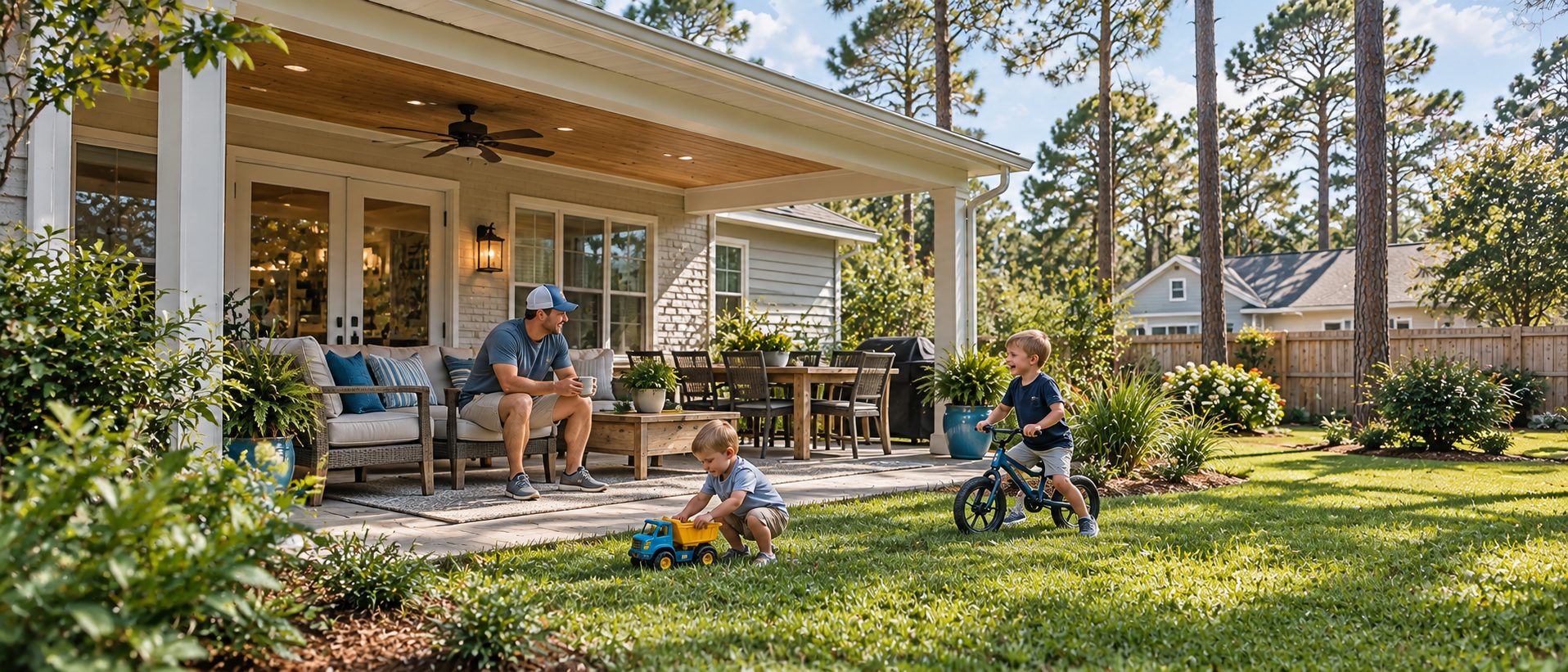
Why some of the best improvements are the ones that make everyday life better.
When homeowners start thinking about making improvements, one question usually comes up pretty quickly.
Will this add value to my home?
It’s a reasonable question. Your home is a significant investment, and you want to make smart decisions about where your money goes.
But I think there’s another question worth asking, especially if you’re planning to stay in your home for a while.
Will this make life here better?
Those two questions don’t always have the same answer.
And that’s okay.
Why We Think About Every Improvement as an Investment
There’s no shortage of advice about which home improvements offer the best return on investment.
Kitchen updates. Bathroom renovations. New flooring. Outdoor living spaces.
You’ll find plenty of articles comparing costs with potential resale value, and that information can be useful.
But sometimes we get so focused on what a future buyer might appreciate that we overlook what would make our own lives easier right now.
A home isn’t just something you’ll eventually sell. It’s where you spend your ordinary Tuesdays, busy weekends, and everything in between.
In Buying the Home Is Only the Beginning: What It Really Means to Be a Homeowner, I talked about how ownership changes once the keys are yours. You stop evaluating someone else’s house and start making decisions about the place where you actually live.
That includes deciding which improvements are worth making, even when the financial return isn’t the whole story.
Some Improvements Pay You Back in Everyday Life
Think about a family with young kids and a backyard that isn’t fenced.
Adding a fence may not increase the home’s resale value by the full cost of installation. But having a place where the kids can play and the family can spend time outside might make a noticeable difference every week.
Or maybe it’s something less visible.
Better storage in the garage.
A laundry room that actually works for your household.
A covered patio where you can sit outside without being directly in the Florida sun.
A home office that gives you somewhere quiet to work.
These improvements may not photograph as impressively as a remodeled kitchen, but that doesn’t mean they aren’t valuable.
As a dad with two young boys, I can appreciate how much difference a functional space makes. Sometimes being able to find the soccer ball, the beach chairs, and everyone’s shoes without a search party is a pretty good return on investment.
The point isn’t to spend money without thinking about it.
It’s to recognize that value can mean more than what appears on an appraisal.
Maintenance and Improvements Aren’t the Same Thing
There’s an important distinction here.
Some expenses are about protecting your home.
If your roof needs attention, water is getting where it shouldn’t, or your HVAC system isn’t functioning properly, those aren’t simply lifestyle choices.
They’re responsibilities that come with ownership.
In Northwest Florida, our homes deal with long cooling seasons, humidity, heavy rainfall, and occasional severe weather. Staying ahead of problems can help prevent more expensive repairs later.
Other projects are about improving how you use the house.
Replacing a failing air conditioner and adding a covered outdoor seating area may both cost money, but they serve different purposes.
One helps protect the home’s condition and function.
The other may make your everyday life more enjoyable.
Both can be worthwhile. They just shouldn’t be evaluated using exactly the same criteria.
And if there’s a significant maintenance issue that needs attention, that generally deserves priority over a discretionary improvement.
Your Timeline Changes the Decision
Here’s where I encourage homeowners to think a little differently.
If you’re planning to sell your home in six months, the improvements you choose should probably be guided by what buyers in your market are likely to value.
You don’t want to spend $30,000 on a renovation that won’t meaningfully improve your selling position.
But what if you’re planning to stay another ten years?
Now the conversation changes.
If an improvement makes your home more comfortable or functional for the next decade, the benefit isn’t limited to what someone might pay for it later.
You’re getting to enjoy it along the way.
That doesn’t mean every project makes financial sense. Your budget, other priorities, and the home’s condition still matter.
It just means your expected time in the house should be part of the decision.
And if your plans could change because of a military PCS or another relocation, it’s worth considering both how much you’ll enjoy an improvement now and how it might affect the property’s future appeal.
You Don’t Have to Keep Up With Every Trend
Home design trends change constantly.
One year everyone wants a particular cabinet color. A few years later, something else is popular.
The same thing happens with flooring, countertops, fixtures, and landscaping.
It’s easy to look around a perfectly functional house and start seeing things that suddenly feel outdated.
But outdated doesn’t always mean worn out.
And newer doesn’t automatically mean better.
That’s something I explored in The Best Home Isn’t Always the Newest One. A home’s age or the date of its last renovation doesn’t tell you everything about its quality, usefulness, or long-term value.
The same principle applies once you own the home.
If your kitchen works well, your cabinets are in good condition, and you like the space, you don’t have to remodel because someone on the internet decided your countertops are out of style.
Sometimes the smartest improvement is deciding that something doesn’t need improving at all.
Make Sure You’re Improving the Right Thing
Before starting a project, I think it’s worth asking what problem you’re actually trying to solve.
Are you frustrated because you don’t have enough storage?
Does your family need a better place to spend time together?
Are you trying to reduce maintenance?
Do you want a room to function differently?
Or are you mostly responding to something you’ve seen in another house?
Those are different motivations, and understanding yours can help you avoid spending money on a project that doesn’t really address what you need.
For example, a homeowner might think they need an entirely new kitchen when better lighting, additional storage, or a more practical layout would solve most of the frustration.
Sometimes a smaller change makes a bigger difference than expected.
And sometimes living with the space a little longer helps you understand what you really want.
Protect Your Investment Without Forgetting Why You Bought It
I absolutely believe homeowners should think about protecting their property’s value.
Good maintenance, sensible improvements, and awareness of the local market all matter.
But I also think there’s a point where constantly evaluating your house through the eyes of a future buyer can take some of the enjoyment out of owning it.
You don’t need to make every decision based on what the next owner might want.
You need to make thoughtful decisions that work for your finances, your plans, and your life.
If you’re preparing to sell, those priorities may shift. My article Small Things That Can Delay a Home Sale (and How to Avoid Them) explains why addressing certain issues before listing can help the selling process go more smoothly.
But if you’re staying, you have the freedom to make your home work for you.
That’s one of the benefits of ownership.
A Thought to Take With You
A good home improvement doesn’t always have to increase your home’s market value to be worthwhile.
Sometimes it makes mornings easier.
Sometimes it gives your family more room to enjoy being together.
Sometimes it solves a frustration you’ve lived with for years.
And sometimes the best decision is to leave something exactly as it is.
Your home is an investment, but it’s also where your life happens.
The best decisions respect both.
Final Thoughts
Before spending money on your next home project, take a little time to think about what you’re hoping to accomplish.
Consider the cost, how long you expect to stay, what your home actually needs, and how much the improvement will change your everyday experience.
There’s no universal answer.
A project that makes perfect sense for one homeowner may not be worthwhile for another.
If you’re considering improvements to a Northwest Florida home and wondering how they might affect its market value, I’m always happy to talk through the options with you.
No pressure to renovate. No pressure to sell.
Just a practical conversation about what makes sense for your home and your plans.


