
 Facebook
 X
X
 Pinterest
 Copy Link
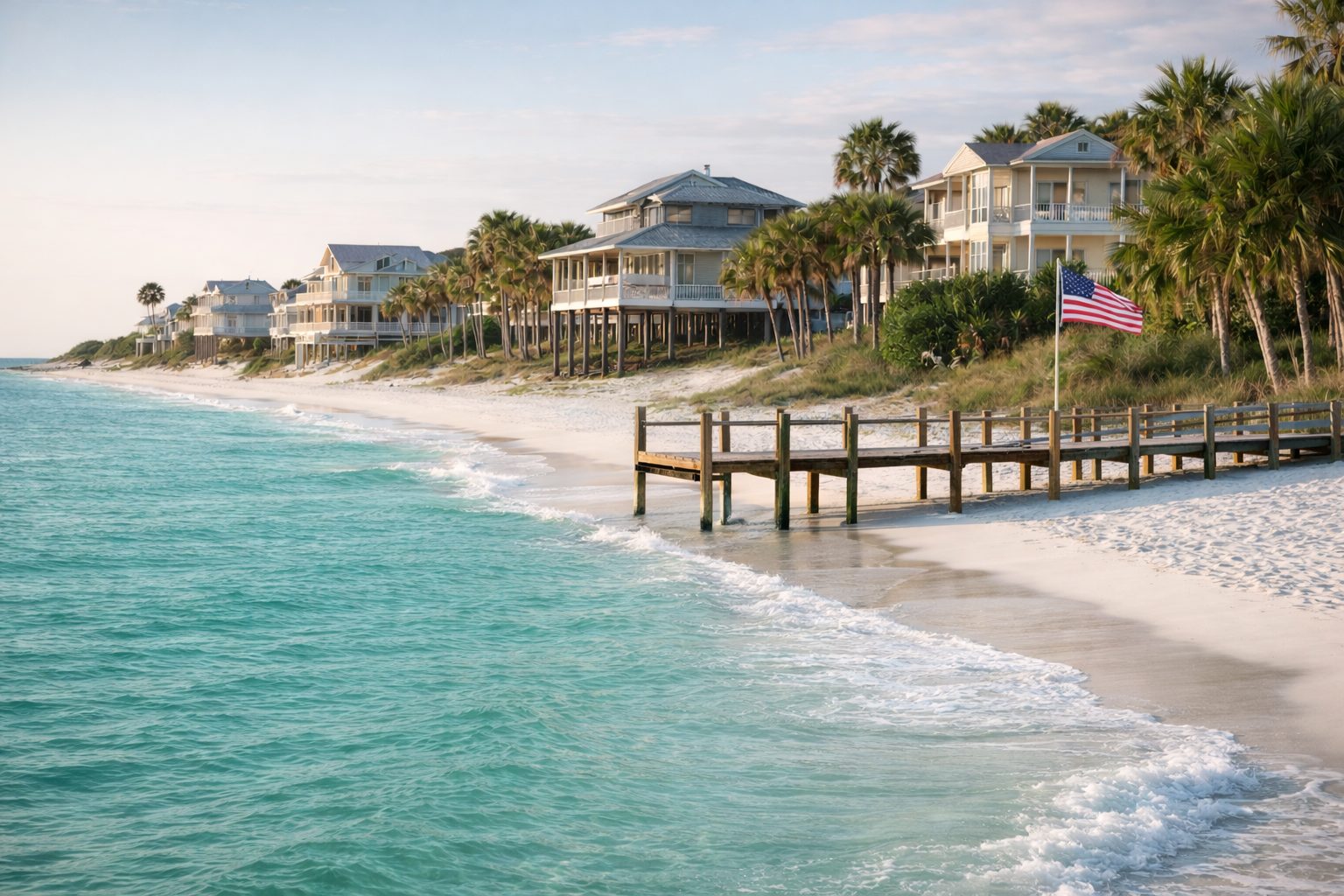
If you’ve been watching the Northwest Florida market, you may have noticed something interesting.
Some coastal homes are selling quickly.
Others are sitting longer than expected.
That doesn’t mean the market is weak. It means buyers are thinking differently — and in many cases, more carefully.
Let’s talk about why that’s happening — and how to recognize real opportunity when you see it.
Coastal Inventory Has Increased
Over the past year, inventory has grown, especially in coastal and higher-priced segments.
With more homes to choose from, buyers are comparing properties more closely. They’re not rushing into decisions the way they did during peak competition. When buyers have options, they evaluate condition, location, insurance costs, and long-term value more carefully.
Homes that are priced aggressively or that require significant updates are taking longer to move.
That’s not a red flag. It’s a return to a more balanced market. This shift toward more balanced inventory is part of a larger trend I’ve been watching across the Emerald Coast, which I discussed in more detail in my post on whether now is the right time to buy.
Insurance Is a Bigger Conversation Than It Used to Be
One of the largest factors affecting coastal homes right now is insurance.
Buyers are factoring in:
-
Flood zone designations
-
Roof age and wind mitigation
-
Construction type
-
Proximity to water
-
Overall insurability
Two homes at the same price can have very different monthly carrying costs once insurance is factored in.
That difference matters.
Serious buyers are asking for quotes early and adjusting their offers accordingly. Sellers who don’t account for this sometimes find their homes sitting longer than expected.
Not Every Gulf-Front Property Is Created Equal
There’s a big difference between:
-
An older barrier-island home built before modern hurricane codes
-
A newer home elevated and built to current standards
-
A property with updated impact windows and reinforced roofing
-
A property that still needs major improvements
Maintenance costs, HOA requirements, and structural condition all affect long-term value.
The buyers who succeed in this market are the ones who look past the view and evaluate the structure.
What a “Hidden Gem” Looks Like
Here’s where opportunity comes in.
Some of the best values right now are not directly on the sand — but close enough to enjoy the lifestyle.
Hidden gems often include:
-
Elevated coastal homes outside high-risk flood zones
-
Newer construction with impact-resistant features
-
Inland homes within short drives to the water
-
Well-maintained properties priced realistically
These homes may not have the dramatic listing photos of a gulf-front property, but they often offer better long-term stability and lower ownership costs.
In a thoughtful market, those details matter.
How to Evaluate Coastal Property the Right Way
If you’re serious about coastal real estate, here’s what I encourage:
-
Get an insurance quote before committing.
-
Review flood history and mitigation features.
-
Inspect roof age, windows, and structural systems carefully.
-
Compare total monthly ownership cost — not just purchase price.
-
Think long-term.
A coastal home can absolutely be a strong investment. But it needs to make sense beyond the view.
The Bottom Line
The fact that some homes near the coast are sitting doesn’t mean something is wrong.
It means buyers are being deliberate.
And in many cases, that creates opportunity for the right property at the right price.
If you’re serious about coastal property but want to approach it intelligently — without unnecessary stress — I’m happy to help you navigate it.
Buying near the water should feel exciting, not uncertain.
If you’re serious about coastal property but want to approach it intelligently — without unnecessary stress — I’m happy to help you navigate it. You can also read more about how I work with buyers on my Meet Mark page.


