
 Facebook
 X
X
 Pinterest
 Copy Link
Closing day gets a lot of attention in real estate.
You sign the papers. You get the keys. Maybe you take a picture in front of the house.
After weeks—or sometimes months—of searching, financing, inspections, negotiations, and planning, it feels like you’ve reached the finish line.
In one sense, you have.
But in another, you’re just getting started.
Homeownership is much longer than the process of buying a home. It’s learning how your house works, taking care of it over time, making decisions about what to change and what to leave alone, and eventually realizing that the home you bought isn’t quite the same home you’re living in years later.
That’s not because something went wrong.
It’s because life happened there.
Closing Day Isn’t the Finish Line
When you’re buying, so much attention goes toward making the right decision.
Is this the right house? The right neighborhood? Can we comfortably afford it? What did the inspection uncover? What will insurance cost?
Those questions matter.
In How to Know When You’ve Found the Right Home, I talked about how the right home isn’t necessarily perfect. It’s the one that fits your priorities, your budget, and the way you want to live.
But once you own it, the questions change.
Now you’re deciding when to replace something instead of whether to buy it. You’re learning which projects actually matter to you. You’re figuring out how the house works through different seasons.
You’re no longer evaluating someone else’s home.
You’re taking care of yours.
Your Home Will Teach You Things
An inspection can tell you a lot about a property.
Living there tells you things an inspection never could.
You learn which room gets the warmest on an August afternoon.
You discover exactly where rainwater goes during one of our Northwest Florida downpours.
You figure out which tree drops everything it owns onto the driveway at precisely the wrong time.
You learn how long the HVAC takes to cool the house after everyone has been going in and out all afternoon.
None of those things necessarily mean there’s a problem. They’re simply part of getting to know a home.
Over time, you begin to recognize what’s normal, what needs watching, and what deserves attention now rather than later.
That familiarity is one of the less-talked-about parts of homeownership.
Maintenance Is Really About Having Fewer Surprises
Home maintenance isn’t particularly exciting. Nobody closes on a house because they’re looking forward to cleaning gutters, servicing an HVAC system, checking caulk, or eventually replacing a roof. But taking care of the smaller things has a way of making homeownership less stressful.
A small problem that’s noticed early is usually easier to deal with than one that’s been ignored for several years. That’s especially important in Northwest Florida, where heat, humidity, heavy rain, storms, and long cooling seasons can be hard on a house.
I don’t think homeowners need to spend their lives worrying about what might break next. The opposite, really.
Paying reasonable attention to your home is one of the best ways to spend less time worrying about it.
Not Every Improvement Has to Pay You Back
Real estate has trained us to ask about return on investment.
If I remodel this bathroom, how much value will it add?
Should I replace these countertops?
Will buyers like this flooring someday?
Those are reasonable questions—especially if you’re planning to sell soon.
But if you’re going to live in the house for years, there’s another question worth asking:
Will this make our life here better?
Maybe you add a fence because it gives the kids or dog somewhere to play.
Maybe you build shelving because you’re tired of never having enough storage.
Maybe you replace a perfectly functional patio with the outdoor space you’ve always wanted.
Not every dollar you put into your home needs to come back to you dollar-for-dollar at resale.
Sometimes the return is getting to enjoy your own house more.
Your Home Changes Because Your Life Changes
One of the interesting things about homeownership is how differently the same house can function over time.
A spare bedroom becomes a nursery.
Then it becomes a kid’s room.
The dining table becomes homework central.
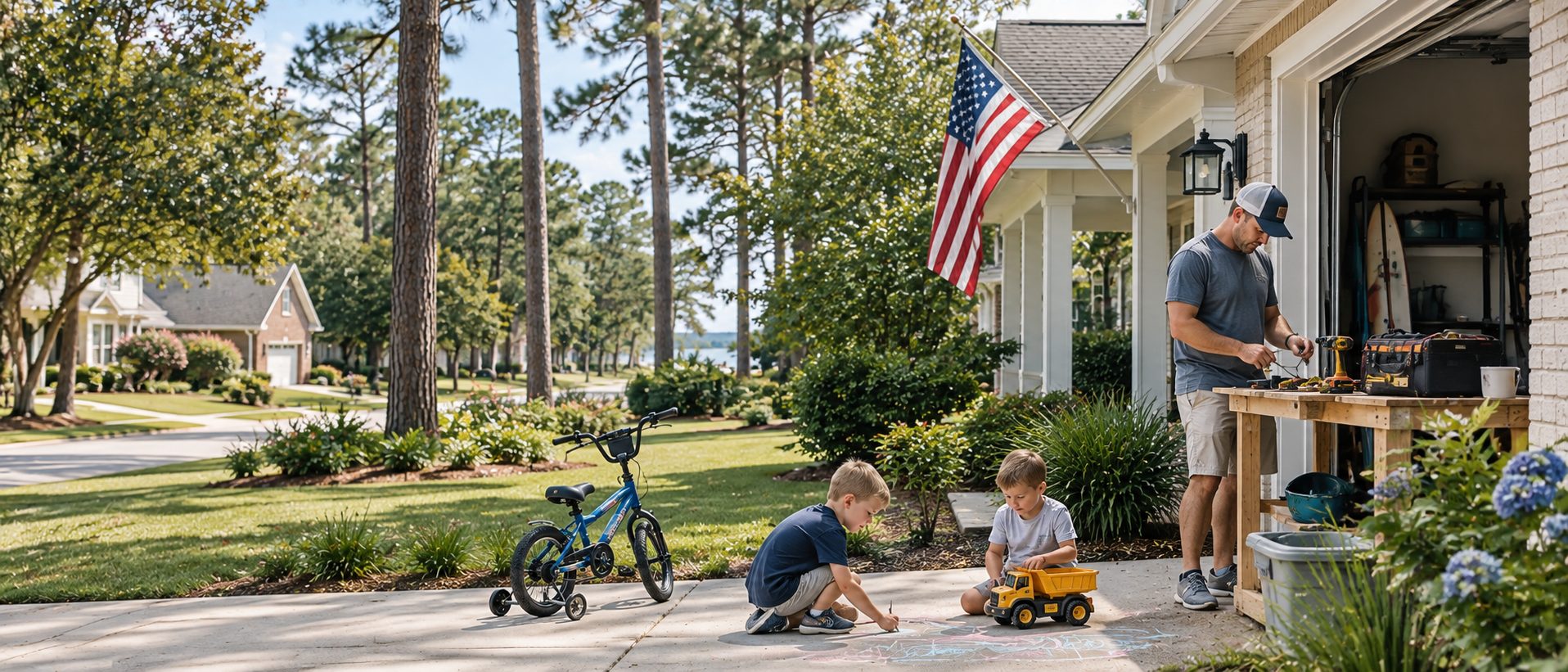
The garage somehow fills with bicycles, sports equipment, beach chairs, tools, and things you’re fairly certain nobody in the family remembers buying.
The backyard gets used differently.
The rooms that seemed most important when you bought the house may not be the ones you value most five years later.
That’s part of why I encourage buyers to think about everyday life when they’re choosing both a home and a community.
In How to Know if a Neighborhood Is the Right Fit for You, I talked about looking beyond the property lines and considering how a location works with the routines you actually have.
The same thinking continues after closing.
A home works best when it has enough flexibility to change along with you.
Protect Your Home’s Value—But Don’t Live for the Next Buyer
Your home is an important financial asset, and protecting its condition matters.
There are good reasons to maintain major systems, make thoughtful improvements, and consider how unusual renovations could affect resale someday.
But there’s a balance.
I’ve seen homeowners become so focused on future resale that they hesitate to make changes they’d enjoy for years.
If you’re selling next spring, thinking like a buyer makes sense.
If you’re planning to stay for ten years, you also get to think like the person who actually lives there.
Take care of the house.
Make sensible decisions.
But let it become your home.
Sometimes the Best Improvement Is the One You Don’t Make
There’s another side to home projects that’s easy to overlook.
You don’t have to change something just because it’s dated. If the kitchen works well, the cabinets are in good condition, and you’re comfortable with it, remodeling doesn’t suddenly become necessary because a design trend changed.
The same applies to flooring, bathrooms, landscaping, and plenty of other things around a house.
This is similar to something I wrote about in The Best Home Isn’t Always the Newest One. Newer isn’t automatically better, and neither is newer automatically necessary once you own the home.
Sometimes living with a house for a while gives you a much better idea of what actually needs changing.
And sometimes you discover it didn’t need changing at all.
Homeownership Is Also About Being Part of Somewhere
Owning a home doesn’t stop at the front door.
Over time, you learn the neighborhood too.
You recognize the people walking their dogs.
Your kids make friends.
You figure out which grocery store you prefer and which route home you’d rather take when traffic backs up.
For military families, that relationship with a place may last only a few years before another PCS. For others, it may last decades.
Either way, those everyday connections are part of what turns an address into a life.
For families relocating here because of military orders, Military Relocation to the Emerald Coast is a good starting point for understanding how the different pieces of a Northwest Florida move fit together.
A Thought to Take With You
A good home doesn’t stay exactly the way it was on closing day.
It changes with the people living there.
Taking care of your home matters. Protecting its value matters. Planning ahead matters.
But so does enjoying it.
The point of owning a home isn’t to preserve it perfectly for whoever might live there next.
It’s to create a place that works for the life you’re living now.
Final Thoughts
Buying a home is a major accomplishment, but closing day is only one day.
Homeownership is everything that follows—the ordinary weekends, the projects you tackle, the things you decide can wait, the unexpected repairs, the family changes, and eventually the memories attached to rooms that once belonged to somebody else.
If you’re thinking about buying a home in Northwest Florida, I’m always happy to help you think beyond the transaction. Finding the right house matters.
So does choosing one you’ll be happy to call home long after the keys are yours.


