
 Facebook
 X
X
 Pinterest
 Copy Link
It’s easy to assume that newer automatically means better. A brand-new home can certainly offer advantages—modern layouts, updated finishes, improved energy efficiency, and the appeal of being the very first owner.
But after helping buyers throughout Northwest Florida, I’ve learned something that’s worth remembering:
The best home for your family isn’t always the newest one.
Sometimes the home that fits your life best has been quietly waiting in an established neighborhood all along.
New Doesn’t Always Mean Better
New construction has plenty of strengths, but age alone doesn’t determine quality. Some older homes were built with exceptional craftsmanship and have been thoughtfully maintained over the years. Others offer larger lots, mature trees, established neighborhoods, and architectural details that are difficult to find in many newer developments.
The question isn’t simply, “How old is the home?” A better question is:
“How well does this home fit the way we want to live?”
Established Neighborhoods Offer Their Own Advantages
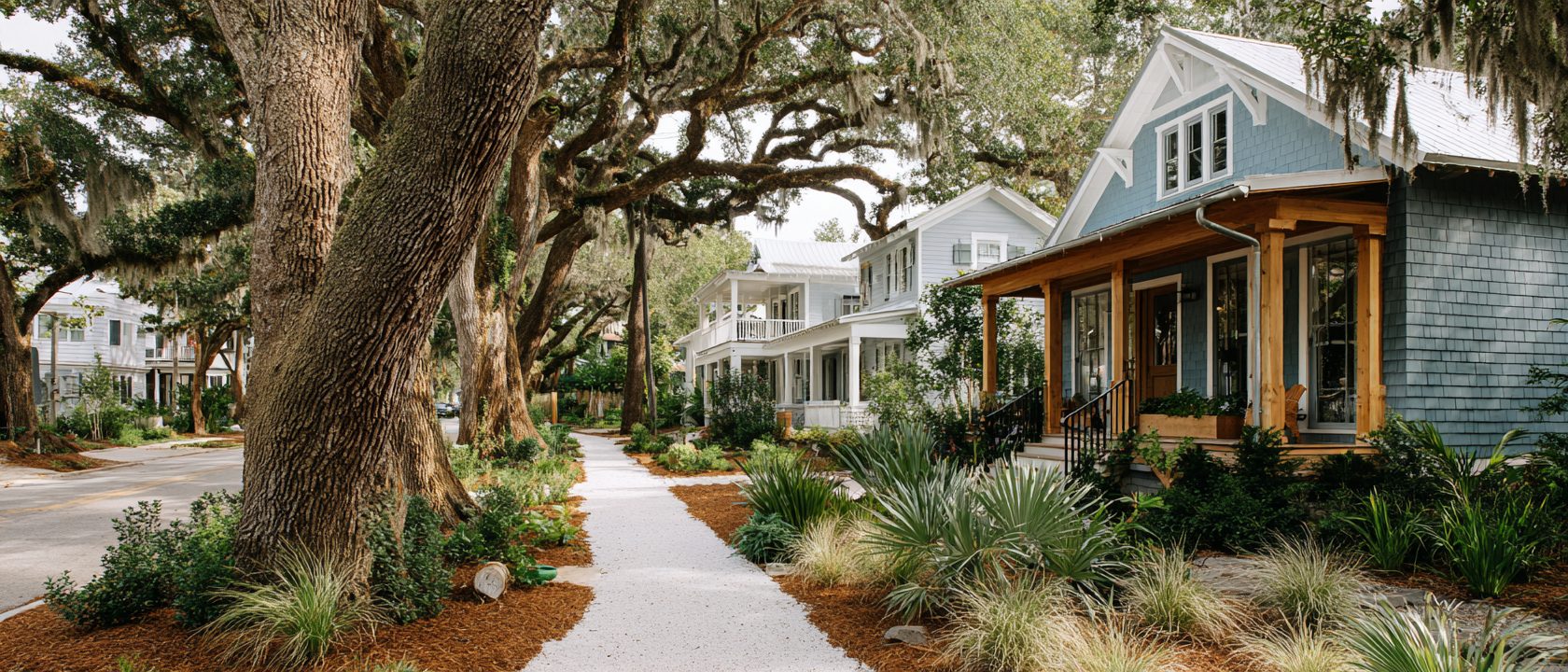
There’s something reassuring about a neighborhood that’s had time to grow.
The landscaping has matured.
The streets feel settled.
Neighbors know one another.
Parks, schools, restaurants, and daily conveniences have often developed alongside the community.
Many buyers discover that these qualities become just as valuable as granite countertops or the latest design trends.
Look Beyond Cosmetic Finishes
Fresh paint and new flooring certainly catch your attention. But some of the most important features aren’t immediately visible.
As you tour homes, pay attention to things like:
- overall maintenance
- quality of renovations
- roof and HVAC age
- drainage around the property
- natural light throughout the day
- how the floor plan actually functions
These are the details that influence how comfortable a home feels long after moving day.
If you’re beginning your search, my Florida Home Buyer’s Checklist offers a practical guide to evaluating homes from your first showing through closing.
Think About Tomorrow, Not Just Today
A home should work well for your life today, but it’s also worth considering where you’ll be a few years from now.
Will your commute still make sense?
Will the neighborhood continue to meet your family’s needs?
Will the layout still feel functional as life changes?
Those questions often matter far more than whether the cabinets are brand new.
Every Home Has Trade-Offs
No home is perfect.
A newer home may offer updated finishes but a smaller lot.
An older home may need cosmetic updates while providing a location you simply can’t recreate.
Buying wisely often comes down to understanding which trade-offs matter most to you. That’s one reason I encourage buyers to focus less on checking every box and more on finding the home that supports the life they want to build.
As I shared in How to Know When You’ve Found the Right Home, confidence usually comes from finding the right overall fit—not perfection.
A Thought to Take With You
One of the biggest surprises in real estate is how often buyers fall in love with the home they almost didn’t visit. Keeping an open mind allows you to see possibilities that filters and online photos sometimes miss. The home that fits your future may not be the newest one on the market—but it could easily become the one that feels most like home.
Final Thoughts
The newest home isn’t automatically the best home.
The best home is the one that fits your priorities, your lifestyle, and your long-term goals.
If you’d like a second opinion while comparing homes, I’m always happy to help you look beyond the obvious and make a decision you can feel confident about for years to come.


